The employer sets the criteria in advance and informs the employee of the requirements they must fulfill to receive the bonus. A nondiscretionary bonus is a bonus that fails to meet the statutory requirements of a discretionary bonus. Nondiscretionary bonuses are included in the regular rate of pay, unless they qualify as excludable under another statutory provision (see below).
- The employer should budget for the total amount of discretionary bonuses that can be awarded in any given period.
- Overtime on the production bonus is then paid at .5 times or 1 times the regular rate for all overtime hours worked in the bonus-earning period.
- When it comes to discretionary bonuses, there are both legal and ethical aspects that employers need to consider.
- Unlike discretionary payments where employers have freedom to decide amounts and recipients, non-discretionary payments follow fixed formulas or established conditions.
- By contrast, discretionary bonuses cannot be included in the regular rate of pay calculation for overtime because they are not assured and depend solely on the employer’s discretion.
- Specifically, 29 U.S.C. §§ 207(e)(1) and (3) contain statutory provisions which address the excludability of certain bonuses.
- ShareWillow makes it simple to create transparent profit-sharing programs that motivate employees and grow your business.
Part 4: Landmark Cases That Shaped Today’s Law
The employee’s discretionary bonus is not reliant on reaching specific objectives or goals. There is also no mention of a precise financial amount or date for the employee to receive the bonus. One of the problems Dr Lindley faced was the fact that the company did not set any objectives or goals.

What is the difference between profit sharing and a discretionary bonus?
If they do not act in a fair and reasonable way, their employee might be able to make a legal claim. Proper tracking of the utilization of the budget and the recognition of the right employee is required. Only such strict monitoring can ensure the purpose https://www.bookstime.com/ of discretionary bonuses is met.
- Understanding non-discretionary payments is crucial for multiple HR functions and legal compliance.
- If the bonus is contractual, the employee could make a claim to an employment tribunal for unlawful deduction of wages.
- This approach helps establish a stable workforce, which can lead to greater overall productivity.
- It’s crucial to be ready for this financial change and to adjust your budget accordingly.
- Depending on how and why you reward your employees, it can affect your taxes, your employee’s overtime pay, and more.
- The employer decides when and how much to pay, often based on special occasions, company performance, or individual contributions.
Discretionary bonus examples
- We also help your organization remain compliant with FLSA requirements, IRS reporting, tax withholdings, and more.
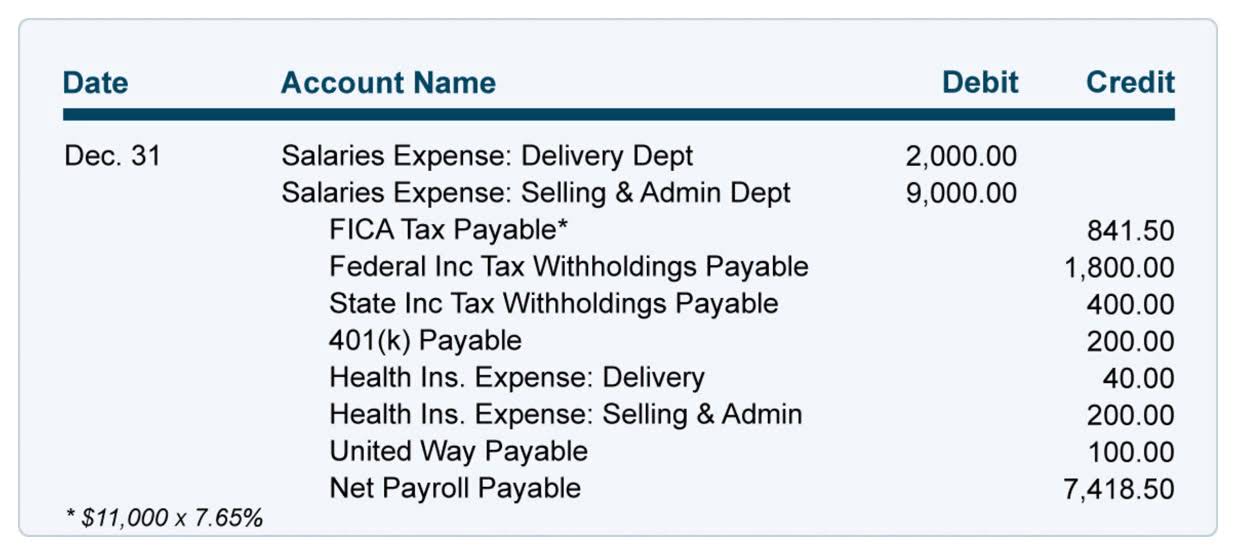
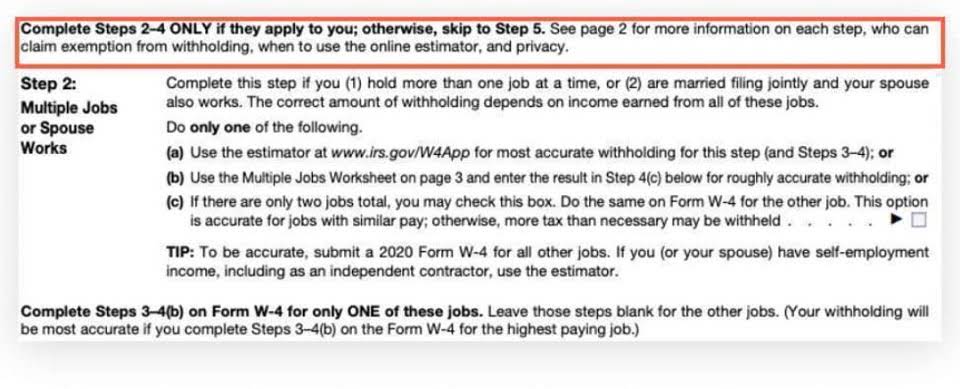
- Employers must withhold appropriate taxes and report bonus payments accurately to tax authorities to ensure compliance.
- To avoid unethical practices and potential legal claims, employers need to establish clear bonus guidelines and carry out their decisions in good faith.
- While the FLSA sets the federal floor, many states have their own `wage_and_hour_laws` that can provide greater protection for employees.
- An employee needs to meet that metric or expectation in order to earn the bonus.
- Non-discretionary bonuses earned before resignation must typically be included in your final paycheck.
Essentially, this means that legally the payment must come as a surprise to the employee and not give the impression that they can expect these payments regularly. Discretionary bonuses can be paid annually, quarterly or ad-hoc depending on the company’s policy and financial situation. Employers must comply with various laws and regulations when giving bonuses whether discretionary or non-discretionary. We pride ourselves in striving to be the top-rated, best employment lawyers in New York City, all of New York and New Jersey, one client at a time including all issues around discrimination. Choosing the right bonus structure for your company is essential for employee retention and overall morale. Remember that you can choose to have a mixed structure or you can opt for one type of bonus structure.
- There are no predefined criteria or milestone achievements to be met to receive this bonus.
- The Fair Labor Standards Act requires that when you pay out non-discretionary bonuses, this bonus amount be added to their overall compensation.
- Discretionary bonuses can take place at any time of the year, and there are plenty of factors that may be considered, including things like exceptional performance and company profits.
- As architecture, engineering, and consulting firms move into the new year, many are reviewing compensation strategies, evaluating prior-year outcomes, and planning incentives for the months ahead.
- Some employers might have regularly paid their employees a bonus without a written agreement.
Any bonuses listed in a collective bargaining agreement, an employment contract, or in other agreements are non-discretionary. A sales organization promises representatives a 5% commission on all closed deals https://elportaldenuevageneracion.com/2026-state-tax-changes-taking-effect-january-1st/ exceeding $50,000. Common government-related benefits (e.g., year-end/mid-year bonuses, cash gifts, performance-based incentives) operate under their own rule-set and are not interchangeable with private sector norms. Eligibility often depends on appointment status, service length, performance ratings, and agency-specific authority to grant. True “bonuses” are rarely mandated by law (13th month pay being the standout).

HR teams must balance legal obligations with business objectives when designing bonus frameworks. This knowledge also helps in accurate payroll processing and financial planning. A discretionary bonus is a type of bonus an employer awards at their sole discretion, without any prior promise or expectation.
Discretionary bonuses are monetary rewards given by employers based on performance, contributions, or other factors that are not predetermined. These bonuses offer organizations flexibility in acknowledging employee efforts without being contractually obligated to do so. Unlike non-discretionary bonuses, which are often tied to specific criteria or employment agreements, discretionary bonuses can be awarded at the employer’s choice. When it comes to discretionary bonus employee compensation, understanding the difference between discretionary and non-discretionary bonuses is crucial for both employers and employees. Knowing how these two types of bonuses differ can help companies effectively motivate their workforce and ensure compliance with wage and hour laws.