The Allure of Risk and Reward
The thrill of gambling often resides in the inherent risk and the possibility of substantial rewards. Players are drawn to the excitement of placing bets, where every wager carries the potential for a life-altering win. This psychological phenomenon is closely linked to the concept of intermittent reinforcement—a principle that suggests that unpredictable rewards can lead to stronger behavioral responses. When players win unexpectedly, it triggers dopamine release in the brain, creating feelings of happiness and euphoria. This chemical reaction reinforces the gambling behavior, making it more likely that they will return for another round. Furthermore, for those interested in various forms of excitement, there aresports betting sites not on gamstop that offer an array of options to explore.
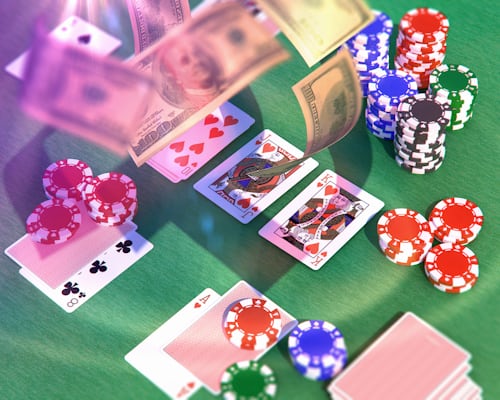
Moreover, the excitement of risk appeals uniquely to our human nature. It challenges individuals to push boundaries, escalate their bets, and experience the adrenaline rush associated with the unknown. The combination of risk-taking and reward makes casino gaming an irresistible pursuit for many, fostering a cycle of repeated participation.
The Environment and Social Interaction
The design of casinos plays a crucial role in attracting players. From the mesmerizing lights to the enticing sounds of spinning reels and ringing slots, the sensory experience is meticulously crafted to immerse players in an engaging atmosphere. These elements stimulate excitement and engagement, making it easy for players to lose track of time. Casinos often exploit this sensory overload to keep players on the floor longer, leading to increased gambling.
Additionally, the social aspect of gaming cannot be overlooked. Many players enjoy the camaraderie found in casino environments, whether they are cheering for a friend at a blackjack table or discussing strategies with fellow gamblers. This social connection enhances the overall experience and builds a community among players, encouraging them to return to casinos for both the games and the relationships they foster.
The Role of Personal Factors
Individual motivations for gambling vary widely, influenced by personal factors such as age, socioeconomic status, and life experiences. Some players view casino gaming as a form of entertainment, seeking a fun escape from their daily routines. Others may use gambling as a means of coping with stress or emotional issues, reinforcing the idea that gambling can sometimes serve as a temporary relief from life’s challenges.
Understanding these personal motivations provides insight into why players may continue to gamble despite the risks involved. The psychological need for escapism, paired with the potential for financial gain, creates a complicated relationship between individuals and their gaming habits. This necessity is often enough to overshadow the possible adverse effects, driving players back to the casino time and time again.
Addiction and Compulsive Behavior
For some individuals, the thrill of casino gaming can develop into a compulsive behavior or addiction. This often begins innocently, with an occasional visit to a casino that quickly escalates into a more frequent and uncontrollable habit. The psychological triggers that initially attracted them—such as the thrill of winning and the social environment—can turn into harmful compulsions that negatively affect various aspects of their lives.
Research indicates that certain personality types are more susceptible to gambling addiction, particularly those who seek high levels of excitement or have a predisposition to risk-taking. Recognizing the signs of gambling addiction is essential, not only for the individual but also for friends and family who may notice changes in behavior. Understanding this dark side of gambling helps to highlight the importance of responsible gaming practices and support systems for those who may struggle with addiction.

Canoe England: Fostering a Community
While exploring the psychology behind casino gaming reveals various motivations and behaviors, it is essential to understand community engagement in other realms, such as sports and recreation. Canoe England, for instance, serves as a hub for canoeing enthusiasts across the UK, offering resources, safety guidelines, and events that promote best practices within the sport. This community-oriented approach fosters engagement among participants, similar to how social interactions enhance gambling experiences.
By providing a supportive network for both beginners and experts, Canoe England ensures that everyone can enjoy the sport safely and engagingly. This commitment to fostering a thriving community mirrors the social aspects of casino gaming while promoting healthy participation and camaraderie among canoeists, highlighting the importance of community in any recreational activity.